Sunday, April 19, 2026

Ignoring Dry Eye Could Lead to Vision Loss, Study Warns

Ignoring Dry Eye Could Lead to Vision Loss, Study Warns


Introduction

A recent European medical study has revealed that neglecting the symptoms of dry eye can lead to serious complications and even vision loss. While many people consider dry eyes a normal part of aging, researchers emphasize that untreated dryness can damage the eye’s surface and impair sight over time.


What Is Dry Eye?

Dry eye occurs when the eyes do not produce enough tears or when the tears evaporate too quickly. This leads to discomfort, inflammation, and blurred vision. Common symptoms include:

  • Burning or stinging sensation
  • Eye pain or fatigue
  • Sensitivity to light
  • Blurred or fluctuating vision

According to the study, nearly half of the participants reported daily discomfort such as burning, pain, or unclear vision—symptoms that often interfere with reading, computer work, or driving.


The Hidden Risks of Neglect

Dry eye is not merely an inconvenience; it can become a progressive condition. Without treatment, it may cause:

  • Corneal damage: The cornea can become scratched or inflamed, leading to infection.
  • Difficulty with eye surgery: Dryness complicates procedures like cataract or LASIK surgery.
  • Chronic inflammation: Persistent irritation can worsen over time, reducing tear quality and quantity.

Researchers from the study published on Lintaro noted that early intervention can preserve vision and prevent long-term complications.


Why Many People Ignore It

Many individuals assume that dry eyes are a harmless result of aging or screen use. However, experts warn that this misconception delays treatment. Millions of people worldwide suffer silently, unaware that simple preventive steps can protect their vision.


Prevention and Treatment

Dry eye is easy to diagnose and often manageable with lifestyle adjustments and medical care. Here are effective strategies recommended by ophthalmologists:

1. Regular Eye Checkups

Routine eye exams help detect dryness early and prevent complications.

2. Hydration and Balanced Diet

Drink plenty of water and consume foods rich in omega-3 fatty acids, such as salmon and flaxseed, to support tear production.

3. Limit Screen Time

Prolonged exposure to computer or phone screens reduces blinking frequency, worsening dryness. Follow the 20-20-20 rule: every 20 minutes, look at something 20 feet away for 20 seconds.

4. Protect Eyes from Sun and Wind

Wear sunglasses outdoors to shield eyes from UV rays and wind, both of which accelerate tear evaporation.

5. Use Artificial Tears

Lubricating eye drops can relieve discomfort and maintain moisture. Choose preservative-free formulas for daily use.

6. Maintain Indoor Humidity

Use a humidifier to prevent dry air from irritating your eyes, especially during winter or in air-conditioned rooms.

7. Avoid Smoke and Pollutants

Cigarette smoke and environmental pollutants can worsen dryness and inflammation.


Conclusion

Dry eye is a common but underestimated condition. Ignoring its symptoms can lead to serious vision problems, yet prevention is simple. Regular eye care, hydration, and protective habits can preserve eye health and prevent irreversible damage.

As researchers conclude, early diagnosis and consistent care are key to maintaining clear, comfortable vision for life.


Suggested Tags

  • Eye Health
  • Vision Care
  • Medical Research
  • Dry Eye Syndrome
  • Preventive Health

Image Concepts


  1. Dry Eye Symptoms – A close-up of a person rubbing their eyes with visible redness and dryness, labeled “Burning, Pain, Blurred Vision.”
  2. Eye Protection Habits – A person wearing sunglasses outdoors, holding a water bottle, with icons of hydration and sun protection.
  3. Healthy Eyes Lifestyle – A flat-lay of eye drops, omega-3-rich foods (salmon, nuts), and a humidifier, symbolizing prevention and care.


FREE BOOK "The Rusted Knight: Ten Poems of a Poor Lover (Poetry & Medium Book 1)


Beware These Foods Raise Cholesterol: Eggs Called the “Heart Bomb”

-

 # Beware These Foods Raise Cholesterol: Eggs Called the “Heart Bomb”


 ## Initiation With the rising prevalence of heart disease and strokes, maintaining healthy cholesterol levels has become a pressing necessity.  Cardiologists warn that certain everyday foods can significantly raise harmful cholesterol (LDL) while lowering beneficial cholesterol (HDL), thereby increasing long-term risks of cardiovascular disease.

 Dr.  Steven Lome, a cardiologist at Rush Copley Medical Center in Illinois, highlighted three foods as particularly dangerous during his appearance on the Physicians Committee podcast.  One of them, he described as a “cholesterol bomb.”

## The Three Foods That Are Bad for Your Cholesterol

1.  Meats Processed Saturated fats and dietary cholesterol are abundant in salami, bologna, pepperoni, and sausage. Dr.  Lome labeled them “the worst of all” for anyone trying to keep cholesterol levels low. 

 - **Impact:** High saturated fat intake raises LDL cholesterol. 

 - **Risk:** Strongly linked to heart disease and potentially colorectal cancer. 

2.  Red Meat


 Saturated fats and cholesterol are naturally abundant in beef, lamb, and other red meats. - "Impact:" Consuming a lot of alcohol raises LDL cholesterol and contributes to the formation of arterial plaque. - **Risk:** Associated with coronary heart disease and increased cardiovascular mortality. 

3.  Eggs

 Dietary cholesterol can be found in large quantities in egg yolks. Dr.  Lome referred to them as a “cholesterol bomb.” 

 - **Impact:** Overconsumption can disrupt lipid balance in the blood. 

 - **Risk:** Particularly concerning for individuals predisposed to high cholesterol. 

 -

  Can Eggs Be Consumed Safely?

 The egg debate is still a complicated one. - **Supportive Evidence:** A study in *Science Direct* suggested that eggs, when eaten as part of a balanced diet rich in fiber and fish, may not pose significant risks. 

 - **Cautionary Evidence:** Another study in *Nutrients* found that long-term excessive egg consumption could raise LDL cholesterol relative to HDL, warranting further clinical trials. 

Scientific Insights on Meat and Heart Health

 Oxford University research revealed that both red and processed meats are linked to higher risks of heart disease and possibly bowel cancer. 

 Dr.  Keren Papier, co-author of the study, emphasized: 

 > “Reducing red and processed meat intake may also help prevent coronary heart disease.” 

## Some Practical Advice - **Limit processed meats**: Replace with plant-based proteins or lean poultry. 

 - **Moderate red meat intake**: Opt for fish, legumes, or plant-based alternatives. 

 - "Eggs in moderation": rather than overindulging, include eggs in a well-balanced diet. - **Lifestyle factors**: Regular exercise, fiber-rich foods, and omega-3 fatty acids can help maintain healthy cholesterol levels. 

## Conclusion

 While eggs, red meat, and processed meats are staples in many diets, their impact on cholesterol cannot be ignored.  Moderation, balance, and mindful dietary choices are key to protecting heart health.  The evidence suggests that reducing these foods—or consuming them strategically—can lower risks of cardiovascular disease and support long-term wellness.


 ### Suggested Tags

 - Heart Health 

 - Cholesterol Awareness 

 - Advice on Eating Well - Healthy Eating 

 - Cardiovascular Disease Prevention 

 ---

 Now, let’s visualize this article with three images:

 1.  **Processed Meats Warning**: A realistic image of salami, pepperoni, and sausages with the words "High Cholesterol Risk" written in red. 2.  **Red Meat and Heart Health** – A split-screen: on one side a steak with a red “X,” on the other side grilled salmon with a green checkmark. 

 3.  **Eggs as Cholesterol Bomb** – A cracked egg yolk with a cartoon-style “cholesterol bomb” icon overlay, contrasted with a balanced breakfast plate including vegetables and fish. 

 Would you like me to generate these three images now so you can use them alongside the article?

free book "The Rusted Knight: Ten Poems of a Poor Lover (Poetry & Medium Book 1)"

free book for limit time "THE RUSTED KNIGHT: BOOK TWO


## The Ashes of the Kingdom


Monday, April 13, 2026

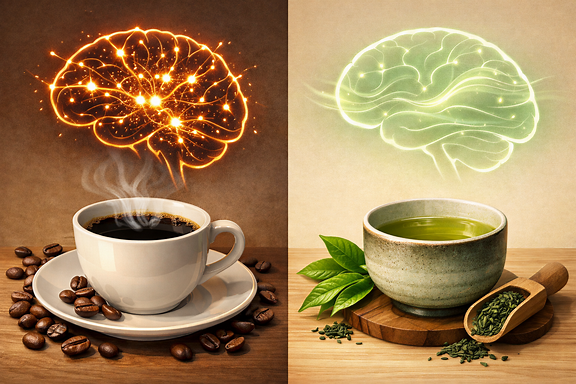
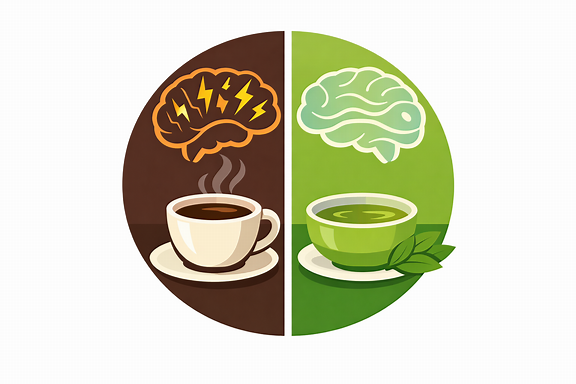
Coffee vs. Green Tea: Which One Boosts Your Brain and Fights Alzheimer’s?

Coffee vs. Green Tea: Which One Boosts Your Brain and Fights Alzheimer’s?

For millions of people, the day doesn’t truly begin until that first sip of a warm, aromatic beverage. But beyond the ritual and the comfort, your morning choice might be quietly shaping your brain’s long-term health. Nutritionists and neuroscientists have discovered that selecting between coffee and green tea isn’t just about daily energy — it could play a significant role in protecting against cognitive decline and Alzheimer’s disease.

Both coffee and green tea offer unique benefits for focus, energy, and memory. But which one comes out on top? Let’s dive into the science behind each brew.

## Coffee: A Powerful Morning Brain Boost

That morning cup of coffee is far more than a habit. It contains hundreds of biologically active compounds, including caffeine, polyphenols, and antioxidants — substances known to enhance brain function and protect nerve cells.

Recent studies have revealed impressive numbers: regular coffee consumption may reduce the risk of developing Alzheimer’s by up to 65% and Parkinson’s disease by 29%. These effects are attributed not only to caffeine but also to the synergistic action of antioxidants that fight inflammation and oxidative stress — two key drivers of neurodegeneration.

For maximum benefit, experts recommend organic coffee brewed with pure water. This ensures you’re getting the highest concentration of protective compounds without unwanted pesticides or contaminants. Additionally, coffee supports gut health, and emerging research shows a strong link between a healthy gut microbiome and improved cognitive performance, concentration, and attention.

However, moderation matters. One to two cups per day is often cited as the sweet spot for brain protection without overstimulating the nervous system.

## Green Tea: Balanced Energy and Enhanced Cognitive Function

Green tea offers a different but equally compelling profile. While it also contains caffeine, its secret weapon is an amino acid called L-theanine. This unique compound works synergistically with caffeine to produce a calm yet alert state — a “quiet energy” that sharpens focus without the jitters or crash sometimes associated with coffee.

Research suggests that drinking two to three cups of green tea daily can reduce the risk of cognitive decline in older adults by up to 44%. The polyphenols in green tea, particularly epigallocatechin gallate (EGCG), are powerful neuroprotective agents. They cross the blood-brain barrier and directly reduce the accumulation of amyloid plaques — a hallmark of Alzheimer’s disease.

Like coffee, green tea also promotes gut health, which is increasingly recognized as a central hub for brain health. A balanced gut microbiome reduces systemic inflammation, which in turn protects cognitive function.

Moreover, the combination of L-theanine and caffeine has been shown to improve working memory, reaction time, and creative problem-solving. This makes green tea an excellent choice for tasks requiring sustained mental effort over several hours.

## Head-to-Head Comparison: Coffee vs. Green Tea

| Feature | Coffee | Green Tea |

| : — — | : — — | : — — |

| **Primary stimulant** | Caffeine (high dose) | Caffeine + L-theanine |

| **Energy effect** | Rapid, strong, short-lived | Gentle, balanced, sustained |

| **Alzheimer’s risk reduction** | Up to 65% | Up to 44% (cognitive decline) |

| **Best for** | Quick focus, alertness, physical performance | Calm concentration, memory retention, stress reduction |

| **Potential downside** | Jitters, anxiety, sleep disruption if overconsumed | Lower caffeine content may not wake up some users |

## Which One Should You Choose?

There is no single “winner” because the best choice depends entirely on your personal physiology and preferences.

**Choose coffee if:** You need a strong, rapid stimulation to kickstart your morning or power through intense mental or physical tasks. Coffee is ideal for short bursts of high productivity.

**Choose green tea if:** You prefer a steady, calm focus that lasts for hours without nervous energy. Green tea suits long study sessions, creative work, or anyone sensitive to caffeine spikes.

**Why not both?** Many brain-health experts suggest alternating or even drinking both in moderation. For example, one cup of coffee in the early morning and two cups of green tea throughout the afternoon can provide the best of both worlds.

## Quality and Preparation Matter

Regardless of your choice, quality and preparation are crucial. To maximize brain benefits:

- **Use pure, filtered water** to avoid heavy metals or chlorine that can degrade beneficial compounds.

- **Choose organic** whenever possible to reduce pesticide exposure.

- **Avoid excessive sugar or artificial creamers** — these can negate neuroprotective effects by promoting inflammation.

- **Brew properly**: Over-extracted coffee can become bitter and acidic; green tea should never be steeped in boiling water (ideal temperature: 70–80°C or 160–180°F) to preserve L-theanine and catechins.

## Final Verdict

Both coffee and green tea are scientifically proven to boost brain activity and reduce the risk of Alzheimer’s disease. Coffee delivers a powerful, fast-acting punch of alertness and long-term protection. Green tea offers a smoother, more sustained energy alongside unique calming compounds that support memory and focus.

The healthiest choice is the one that fits your body’s response and lifestyle. Listen to how each beverage makes you feel — both have earned their place in a brain-healthy diet.

book “A Love Story of Ramses II and Nefertari 👑 Ramses II and Nefertari: The Eternal Couple”

in “https://payhip.com/b/StGhN with “memo” code to get 50% discount

Thursday, December 5, 2024

The Girl and the Tree


Once upon a time, in a small, peaceful village in Gaza,Palestine , there lived a little girl named Mariam. She was a kind-hearted girl who loved nature. One day, she planted a tiny seed in her garden. She watered it every day, and soon, a small, green sprout emerged from the soil. Anya watched over her little plant with tender care, and it grew taller and stronger with each passing day.

The village was a place of joy and harmony. People lived in peace, and children played freely in the streets. But one day, dark clouds gathered over the village. Enemy planes of the Israel army filled the sky, their engines roaring as they dropped bombs on the peaceful homes. The villagers fled in fear, but Mariam., along with her family, had to leave their home.

However, Mariam. couldn’t forget her little plant. She would often sneak back to the ruins of her home to visit it. Despite the danger, she would sit by the plant, offering it comfort and protection. An enemy officer, a cold-hearted man who controlled the pilotless planes, noticed Anya’s visits. He was intrigued by the girl's courage and decided to destroy the plant, believing it was a symbol of hope and resistance.

One day, Miriam fell ill and had to rest in a hidden ruin. The pilotless plane couldn’t reach her there. When she recovered, she rushed back to her plant. The enemy officer was waiting, ready to strike. But Anya was quick. She tended to her plant and escaped just as the plane arrived.

Filled with rage, the officer destroyed the plant. Mraiam was heartbroken, but she refused to give up. She planted another seed, and once again, it began to grow. She hid in the ruins, tending to her plant, while the enemy officer searched for her. The plant grew at an astonishing pace, as if it was determined to survive.

The enemy officer, baffled by the plant's rapid growth, sent his pilotless plane to attack Anya. But as the plane approached, a deep hole opened up in the ground, swallowing Anya. The officer was left confused and frustrated.

In reality, the plant had grown strong and wise. It had used its roots to create a secret passage, protecting Anya. The plant carried Anya to safety, high above the ground. From there, Anya watched as the enemy plane was damaged by a mysterious force.

The enemy officer, defeated and bewildered, left the village. Anya, safe and sound, returned to her plant. She knew that her little tree, a symbol of hope and resilience, would continue to grow, even in the darkest of times.

https://sites.google.com/view/beautybuy/home

Thursday, December 4, 2008

success is a gift[to face the unhappy action]

yes it may be a gift. the man must take care of it it hay hake him in high place that every one wanted to imittate him .he may be for people as star. how canman without any chance to be success?
1.learn and train for new science and new course that hay lead him to new opportinuty and new chance if any comarison.man must have weapon to be a good soldier.the weapon for man is science only sgience in his branch.when he has this science he must be confident
2.confident is abig step the man with no conident is abig looser. the man must know his ability his position. the soldiermust enter this battle with big confident .if hasn't he will die. man must imagine that he is as a soldier if he didn't he will die
3.he must be not anger from any thing that he may cause him any annoy to him. he must be satisfy from surrounding
4.smiling open every closed heart

Friday, June 13, 2008

The trade4b{the honest}1

How does man can be honest ?
1st He must know that the money is a gift of God ,so must look the rich or to the poor with equal look . he must respect both of them. For himself ,he must believe that his poor or rich is from God .if he loves his God . he will be satisfied. The life doesn't remain its face .the people are rich may be poor for simple raison and vise versa .what are you knowing how is the rich living? .He may be suffered by this money .
There is a man can't sleep in his houses ,his huge buildings, or even hotels as he had reports that his only son would kill him inattention .
There was more rich man who can't eat except some foods that the medical advised him ,So he invited his friends to eat at home and saw them and enjoyed with their
Eating.
The prophet said to his sahibs when he saw a rich man "how are you looking at this man?". They said" If he talked ,we hear them ,if he ordered ,we did if he wanted to marry ,we would marry him" ,and when the prophet saw a poor man he said to them "how you are looking at this ",They said " if he talked ,we wouldn't listen to him, if he ordered , we wouldn't obey him. If he wanted to marry ,we wouldn't"
The prophet said that the poor is preferred to God than that rich There was a woman carried his sucking baby .they passed at rich man and more people surrounded ,service and obey him .the woman said the her baby "if you would like this man " the baby said "as a miracle" . "No, I wouldn't like him" When they passed at a group of people hurting a woman she said " If you 'd not like this woman" .the baby said " I would like this woman".
The prophet said that" the rich man was a thief and the people love him as he was a rich .but he would hurt in the future life. the woman was hurt as she was adulteress.
She was oppressed , as she was slept and the man beat her and did sex with her by his force".


good luck for ever